
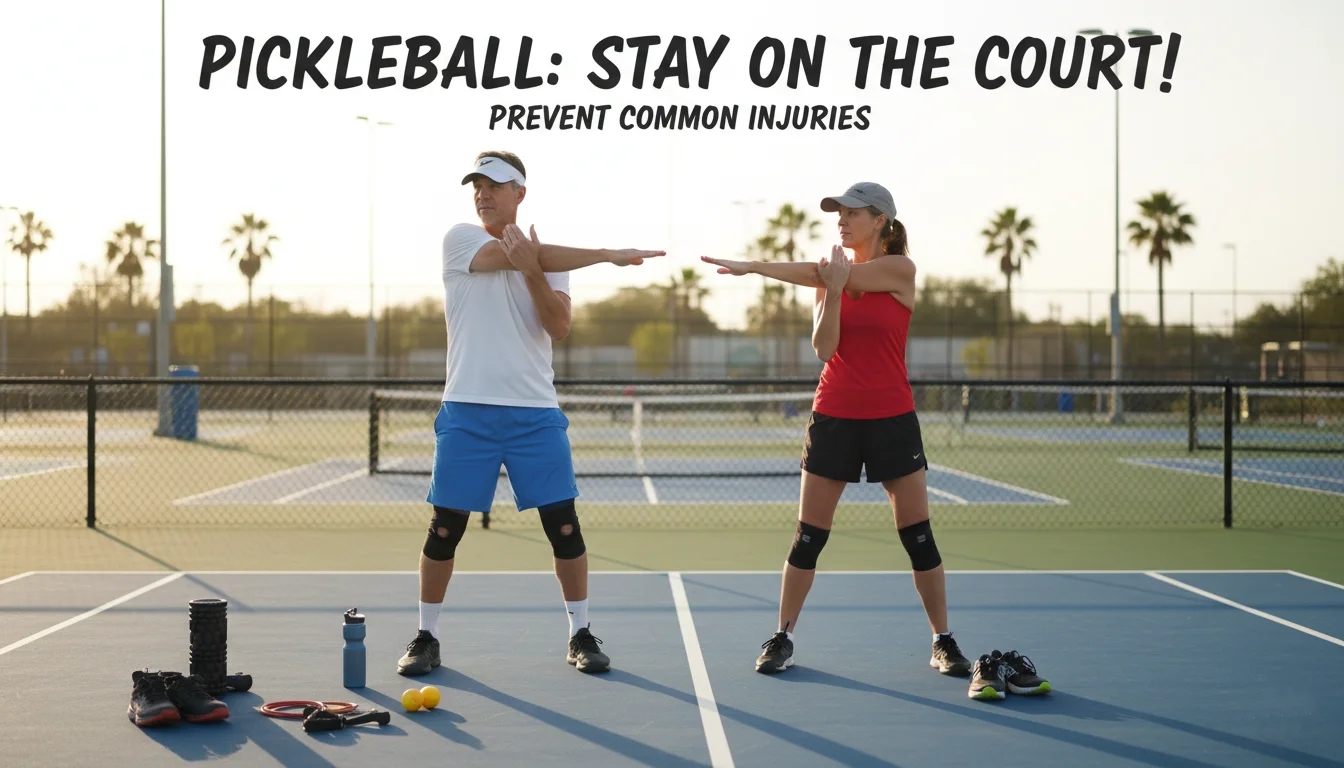
I still remember the day I had to sit out from my favorite Thursday night pickleball game. My shoulder was throbbing, and my doctor had just warned me about overuse injuries. That’s when I realized that while pickleball is an amazing sport for staying active, I hadn’t been taking the necessary precautions to keep myself injury-free. If you’re experiencing similar concerns or want to avoid injuries altogether, you’re in the right place. This comprehensive guide will walk you through everything you need to know about preventing common pickleball injuries.
Understanding Why Pickleball Injuries Happen
Pickleball has exploded in popularity over the last decade, attracting players from all age groups. While this sport is fantastic for your overall health and fitness, the repetitive nature of the game, combined with quick directional changes, puts significant stress on your body. Many newcomers jump into the sport without proper preparation, which is exactly how injuries develop.
The truth is, most pickleball injuries are preventable. Whether you’re dealing with ankle sprains, elbow discomfort, or shoulder strain, understanding the root causes helps you take meaningful action to protect yourself.
The Most Common Pickleball Injuries You Should Know About
Before we dive into prevention strategies, let’s talk about the injuries that affect pickleball players most frequently. Knowing what to watch for puts you in a better position to avoid them.
1. Tennis Elbow and Forearm Strain:
This occurs from the repetitive motion of hitting the paddle against the ball. Your forearm muscles become fatigued and inflamed, leading to sharp pain near your elbow.
2. Ankle and Knee Issues:
The constant pivoting, quick stops, and lateral movements in pickleball put tremendous stress on your lower extremities. Many players experience ankle sprains or knee discomfort, especially if they’re not wearing appropriate footwear.
3. Shoulder and Rotator Cuff Problems:
Overhead shots and reaching movements can lead to shoulder strain. Without proper conditioning, your rotator cuff becomes vulnerable to injury.
4. Lower Back Pain:
The twisting motions and forward-leaning posture during play can aggravate your lower back, particularly if your core strength is underdeveloped.
5. Heat-Related Issues:
Playing outdoors exposes you to sun damage and dehydration, which can lead to heat exhaustion or sunburn complications.
Master the Art of Pickleball Warm-Up Exercises
One of the biggest mistakes I made was rushing onto the court without properly warming up. Now, I dedicate a solid 10-15 minutes to preparing my body before every match, and it has completely changed my experience.
A proper warm-up serves multiple purposes. It increases blood flow to your muscles, lubricates your joints, raises your heart rate gradually, and mentally prepares you for the game ahead. Here’s exactly how to warm up for pickleball:
1. Dynamic Stretching Phase:
Start with arm circles—about 20 in each direction. This mobilizes your shoulder joint. Follow with leg swings, holding onto a fence or wall for balance. Do 10-15 swings in each direction to loosen your hip flexors and hamstrings.
2. Joint Mobility Work:
Perform slow, controlled lunges—both forward and lateral. These movements prepare your knees and ankles for the quick directional changes you’ll make during play.
3. Light Cardio:
Jog gently around the court for 2-3 minutes, or do some jumping jacks. Your goal is to get your heart rate up without exhausting yourself.
4. Sport-Specific Movements:
Hit a few gentle shots with your paddle, focusing on proper form rather than power. This helps your nervous system remember the movement patterns you’ll use during the actual game.
What Shoes Should I Wear for Pickleball?
People often underestimate the importance of proper footwear, but this is absolutely critical for injury prevention. Regular tennis shoes won’t cut it if you’re serious about playing pickleball regularly.
Court-specific pickleball shoes provide non-slip soles designed for the quick lateral movements the sport demands. Look for shoes with excellent ankle support, responsive cushioning, and good arch support. Brands like New Balance, ASICS, and Adidas make models specifically for court sports that will serve you well.
Your shoes should feel snug without being tight, and the soles should have a gum rubber compound that grips the court surface effectively. Invest in quality footwear—your feet, ankles, and knees will thank you. I replace my pickleball shoes every 8-10 months because worn soles significantly increase your risk of slipping and injury.
Essential Pickleball Safety Tips to Implement Today
Beyond warm-ups and footwear, there are several other safety practices that can make a huge difference in your injury risk:
1. Strengthen Your Core:
A strong core provides stability during lateral movements and protects your lower back. Dedicate 10 minutes a few times weekly to planks, side planks, and bird dogs.
2. Focus on Proper Technique:
Poor form multiplies your injury risk exponentially. Consider working with a coach to ensure you’re using correct paddle grip, stance, and swing mechanics. This single investment can prevent years of future problems.
3. Build Gradually:
Don’t go from playing once a month to playing five times a week. Increase your frequency and intensity gradually, allowing your body to adapt to the demands of the sport.
4. Listen to Your Body:
If something hurts during play, stop immediately. Pushing through pain is how minor issues become serious injuries. Rest, ice, and seek medical attention if needed.
5. Use Eye Protection:
Pickleball balls travel at significant speeds. Wearing protective eyewear designed for court sports prevents serious eye injuries that could affect your vision long-term.
Sunscreen for Outdoor Sports: Don’t Skip This Step
I learned this lesson the hard way after spending an entire summer playing outdoor pickleball without adequate sun protection. Not only did I develop a painful sunburn, but I also increased my skin cancer risk significantly.
If you’re playing outdoor pickleball, sunscreen isn’t optional—it’s essential. Use a broad-spectrum SPF 30 or higher, and reapply every two hours or immediately after sweating heavily. Consider wearing UV-protective clothing or playing during cooler parts of the day when the sun is less intense.
Dehydration Symptoms Athletes Need to Recognize
Outdoor pickleball often means extended time in the heat. Dehydration creeps up on you gradually, and by the time you notice symptoms, you’re already compromised. Here’s what to watch for:
Excessive thirst, dark-colored urine, dizziness, rapid heartbeat, fatigue, and muscle cramps are all signs that your body needs water immediately. Some athletes experience headaches or difficulty concentrating.
Start hydrating before you feel thirsty. Drink water consistently throughout your match, and consider electrolyte drinks if you’re playing for extended periods. I keep a water bottle courtside and take sips between games.
What to Eat Before Playing Pickleball
Proper nutrition supports your body’s ability to perform and recover. Eating the right foods before playing gives you sustained energy without causing digestive discomfort.
About 2-3 hours before playing, eat a balanced meal containing complex carbohydrates, lean protein, and healthy fats. A turkey sandwich on whole-wheat bread with an apple works perfectly. If you’re playing sooner, grab something lighter like a banana with peanut butter or Greek yogurt with berries about 30-45 minutes beforehand.
Avoid heavy, greasy foods that sit in your stomach and cause discomfort. Similarly, don’t play on an empty stomach—your muscles need fuel.
Pickleball Injury Prevention Through Smart Game Tactics
Beyond physical preparation, how you actually play the game matters significantly for injury prevention. Play within your abilities, avoid excessive reaching for unreachable balls, and stay in an athletic stance with your knees slightly bent. This ready position reduces strain on your joints and lets you react more safely to incoming shots.
Frequently Asked Questions (FAQs)
Minor strains recover in 1-2 weeks with rest and ice. Serious injuries like ankle sprains may need 4-12 weeks. Always follow your doctor’s advice.
Yes, many arthritis patients play pickleball successfully. Warm up properly, wear supportive shoes, and listen to your body.
Use RICE: Rest, Ice (15-20 minutes), Compression (elastic bandage), and Elevation above heart level.
Play 3-4 times weekly with rest days between sessions for optimal recovery and skill maintenance.