
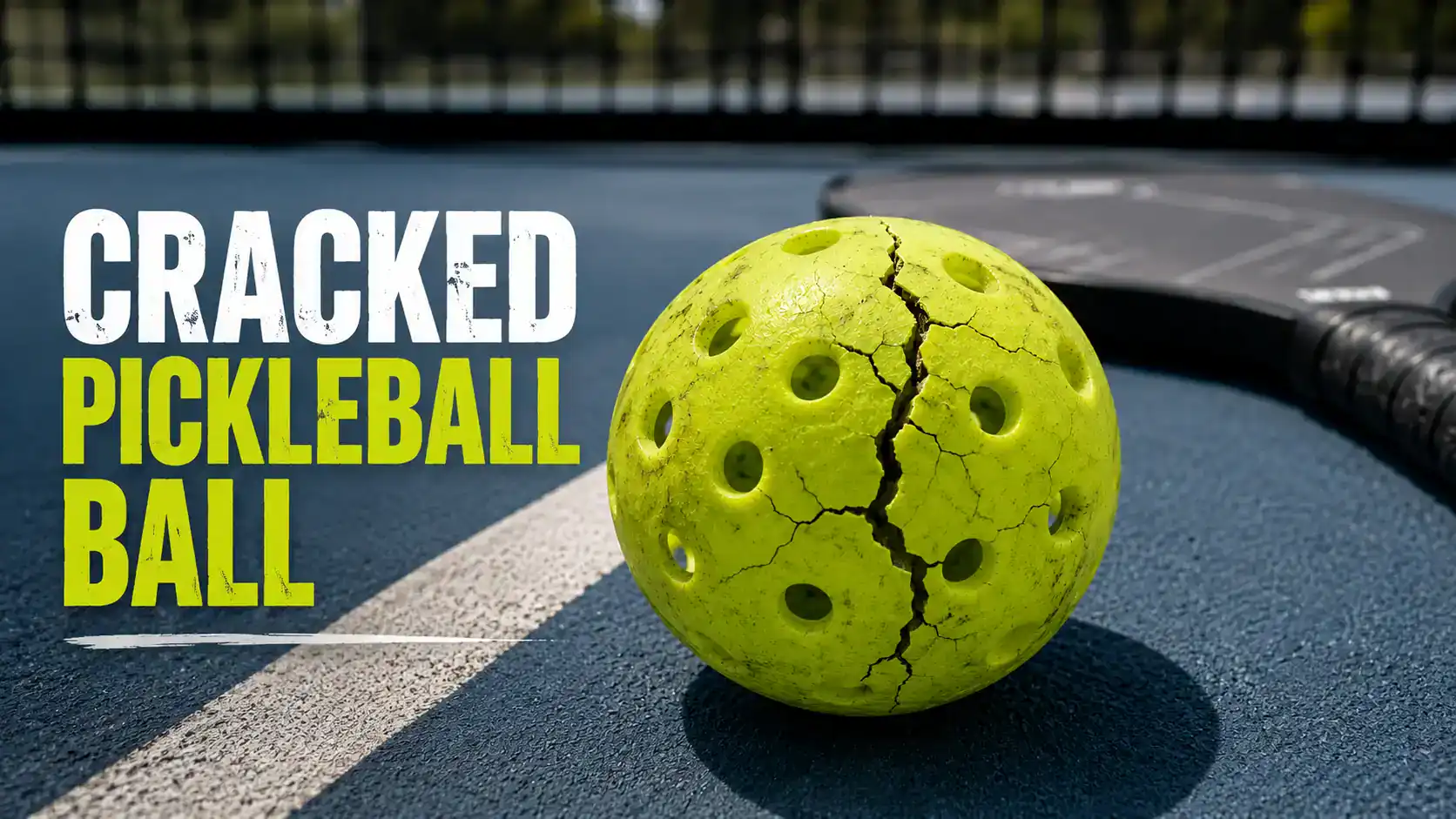
Pickleball, a sport that combines the best elements of tennis, badminton, and ping pong, has won the hearts of millions worldwide. Known for its quick-paced rallies and strategic gameplay, every detail matters when you’re on the court — even the condition of the ball. Imagine this: you’re in the middle of a nail-biting point, and the pickleball suddenly develops a crack. What happens next? Do you continue playing? Is the point valid? And what does the rulebook say about such situations?
This blog takes a deep dive into the official rules for cracked pickleball balls, what causes them to break, and how to handle these disruptions. Whether you’re a seasoned player or a newcomer to the game, understanding these rules is essential for fair and enjoyable gameplay.
Understanding the Basics: What Is a Cracked Pickleball Ball?
A cracked pickleball ball refers to a ball that has developed visible cracks due to wear and tear or impact during gameplay. These cracks can alter the ball’s trajectory, performance, and bounce, making fair play impossible.
Common Signs of a Cracked Pickleball Ball:
- Irregular bounce
- Visible split or fracture
- Odd sound upon impact with the paddle
Official Rules for Cracked Pickleball Balls
1. Dead Ball Declaration
If a pickleball cracks during play, the rally must continue until the point is completed. Players cannot stop play in the middle of a rally to inspect the ball. After the point, you may call for a ball inspection.
2. Point Stands As Played
Inspection of the ball will occur only after the rally is over. If it’s confirmed that the ball is cracked, the point is upheld, and there is no replay.
3. Replacement of the Ball
Once cracked, the damaged ball must be replaced before resuming play. Use an official pickleball ball to ensure consistent performance and adherence to regulations.
4. Tournament Play
For tournaments, a cracked ball detected before the next serve can be replaced without any penalty. It must adhere to the governing body’s standards, such as USA Pickleball Association (USAPA) guidelines.
What Causes Pickleball Balls to Crack?
Several factors can contribute to a cracked pickleball ball:
- Frequent Usage: The more a ball is used, the weaker its material becomes.
- Cold Weather Conditions: In cold climates, the plastic becomes brittle, increasing the likelihood of cracks.
- Intense Game Play: High-speed hits and powerful smashes can lead to damage over time.
- Improper Storage: Exposing balls to extreme temperatures or excessive sunlight can accelerate deterioration.
Pro Tip: If you play in colder weather, opt for cold-weather pickleball balls. These are designed to withstand lower temperatures and last longer without cracking.
How Long Do Pickleball Balls Last?
The longevity of a pickleball ball depends on several factors, including the quality of the ball, frequency of use, and environmental conditions. On average:
- Recreational players: A ball might last several weeks.
- Competitive players: A ball might last only a few games.
Using high-quality, durable balls can significantly extend their lifespan. But remember, even the best pickleball ball will eventually crack and need replacing.
Pickleball Ball Replacement: Tips for Maintaining Game Integrity
Keeping extra balls on hand ensures you’re always prepared for unexpected cracks. Here’s how you can maintain game integrity:
- Use Official Pickleball Balls: Balls approved by the USAPA deliver the best consistency.
- Store Properly: Keep your balls in a dry, temperature-controlled environment.
- Inspect Regularly: Check balls for signs of wear and replace them as needed.
Choosing the Best Pickleball Ball
To avoid the frustrations of cracked balls, invest in high-quality options. What is the best pickleball ball? While this largely depends on your preferences and playing conditions, brands like Onix and DuraFast are popular choices among players. Be sure to check if the ball meets official standards before purchasing.
FAQs About Cracked Pickleball Balls
No, a cracked pickleball ball compromises the game’s integrity by affecting its flight and bounce. Replace it immediately after the point concludes.
Frequent use, cold weather, and intense gameplay are the primary reasons for cracks. Improper storage can also accelerate wear and tear.
The frequency depends on factors like the ball’s quality and playing conditions. High-quality balls last longer, but continuous aggressive play can lead to quicker damage.
This question, while similar, pertains to a different sport. In bowling, a cracked ball might not be allowed in competitive play as it affects performance.